
Coffee Grind Size Chart & Guide

Grinding coffee sounds like one of those boring steps you just rush through before the good stuff happens. But ask anyone who’s ruined a whole pot with a bitter or watery mess, and they’ll tell you… grind size matters. Too fine, and it’s like chewing aspirin. Too coarse, and you’re sipping bean-flavored bathwater. The good news? Once you get a handle on how grind size actually works, brewing great coffee at home becomes way easier. This guide keeps it simple, straight, and useful. No fluff. No guesswork.
Coffee Grind Size Chart
Grind Size | Texture | Best Used For |
|---|---|---|
Extra Coarse | Resembles peppercorns | Cold brew, Cowboy coffee |
Coarse | Similar to sea salt | French press, Percolators |
Medium-Coarse | Feels like rough sand | Chemex, flat-bottom drip brewers |
Medium | Comparable to regular sand | Cone-shaped pour-overs, Siphon brewers |
Medium-Fine | Slightly smoother than sand | AeroPress (with short brew times) |
Fine | Feels like table salt | Espresso, Moka pots |
Extra Fine | Powdery texture, like flour |

Why Grind Size Matters in Brewing
If you’ve ever taken a sip of homemade coffee and thought, “Why does this taste like regret?”, there’s a good chance grind size is to blame. It’s one of those things that sounds minor but changes everything.
Extraction and flavor go hand in hand. Grind size directly affects how fast water passes through the coffee and how much flavor it pulls out. If your grind is too fine, the water has a harder time pushing through, which means it spends more time soaking in those grounds. That extra time leads to over-extraction, a fancy word for bitter, burnt-tasting coffee. On the flip side, a grind that’s too coarse speeds things up. Water flows too fast, doesn’t have enough time to extract the good stuff, and the result is often sour or flat. Not exactly the cozy, delicious cup we all want.
Different brew methods also come with their own little personality quirks, and grind size is part of that vibe. Espresso? Needs a fine grind to build pressure. Cold brew? Extra coarse, since it steeps for hours. French press? Coarse, because there’s no paper filter and we’re not trying to drink mud. The method sets the rules, and the grind size plays by them (or breaks them, if you like chaos).
In short: dialing in the right grind is non-negotiable if you want your coffee to actually taste good.
Overview of Grind Sizes and Their Uses
There’s no one-size-fits-all when it comes to grinding coffee beans. Each grind has its own texture, purpose, and personality, and yes, I’m absolutely saying coffee grinds have personalities. Getting this part right can be the difference between “meh” and “oh wow.”
Here’s a breakdown of the main grind sizes, what they look and feel like, and where they actually belong.
Extra Coarse
Think: chunky, like whole peppercorns.
This one’s the big boy of the grind world. Super chunky, super slow to give up flavor. It’s mostly used for cold brew or cowboy coffee (the kind brewed in a pot over an open fire, no filter involved). Since steeping times are long, anywhere from 12 to 24 hours, you need a grind that doesn’t dump all its flavor in the first few minutes.
Coarse
Think: sea salt or kosher salt.
This grind is perfect for the French press and percolators. You want the grounds to be large enough to avoid slipping through the metal mesh filter, but still expose enough surface area for a full-bodied brew. If you’ve ever had silty coffee from a French press, chances are the grind was too fine.
Medium-Coarse
Think: gritty sand from a rough beach.
Somewhere between sea salt and regular sand, this is what you want for Chemex brewers or flat-bottom drip coffee makers. It balances extraction time and water flow to keep things clean and crisp without being too light or too bitter.
Medium
Think: classic playground sand.
This is your go-to for cone-shaped pour-over drippers (like the Hario V60) and siphon brewers. It’s probably the most versatile grind, and if you’re new to all this, it’s a safe middle ground to start with.
Medium-Fine
Think: just a touch finer than regular sand.
This one works well with AeroPress, especially if your brew time is under 2 minutes. It gives you good extraction without going overboard. Not quite espresso-level fine, but edging in that direction.
Fine
Think: table salt or even finer.
You need this level for espresso and moka pots. The smaller grind size builds resistance and allows pressure to work its magic. If the grind is too coarse, your espresso shot will be sad, watery, and kind of offensive.
Extra Fine
Think: soft flour or powdered sugar.
This is reserved almost exclusively for Turkish coffee. The grounds are so fine they’re basically dust, which lets them mix directly into the brew and settle at the bottom. It’s strong, bold, and definitely not for the faint-hearted.
Matching Grind Size to Brewing Methods
Picking a grind size without thinking about your brewing method is kind of like using a fork to eat soup. It might work, technically, but no one’s enjoying it. Each brew method has its own rules, timing, and expectations, and grind size is a big part of what makes the whole thing click.
Here’s how to pair them up like a pro (or at least like someone who doesn’t want bitter sludge or bean-water).
Cold Brew
Grind: Extra Coarse
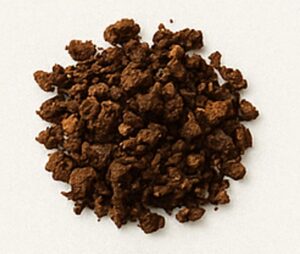
Cold brew sits around and steeps for 12 to 24 hours, so you don’t need a fine grind to extract flavor quickly. Go with big, chunky pieces (extra coarse) to avoid over-extraction and get that smooth, chocolatey finish cold brew fans love. Bonus: it’s forgiving if your timing’s off by an hour or two.
French Press
Grind: Coarse

The French press is a full-immersion brew, which means the coffee and water hang out together for a few minutes before you push the plunger. A coarse grind helps keep fine particles out of your cup (because no one wants sludge) and gives you a rich, rounded flavor without bitterness.
Percolator
Grind: Coarse
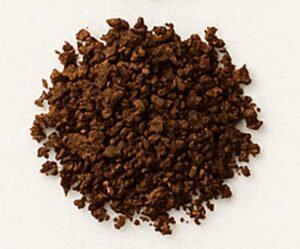
Old-school but still kicking, the percolator cycles hot water through grounds over and over. Coarse grinds hold up best in this high-heat, repeat-extraction environment. Go finer, and you’ll get something that tastes like ashtray water. Stick with coarse for a strong, drinkable brew.
Chemex
Grind: Medium-Coarse

Chemex brewers use thick filters that slow down water flow, so a medium-coarse grind works best. Too fine, and your brew will take forever. Too coarse, and it’ll rush through without developing flavor. Aim for something sandy, and you’ll get a clean, crisp cup with plenty of depth.
Pour-Over (like the V60)
Grind: Medium

This method’s all about precision and control. A medium grind allows water to flow at the right pace, not too fast, not too slow. You get to control bloom time, water flow, and pour patterns. When the grind’s dialed in, it rewards you with clarity, brightness, and balance.
AeroPress
Grind: Medium to Medium-Fine

The AeroPress is a choose-your-own-adventure tool. Short brew time? Use a finer grind. Longer steep? Go a little coarser. The grind sweet spot usually sits between medium and medium-fine, depending on your recipe. Flexibility is the name of the game here.
Espresso
Grind: Fine
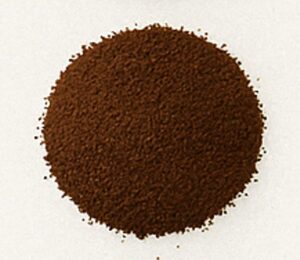
Espresso machines use pressure to push hot water through tightly packed grounds in 20–30 seconds. That kind of extraction needs a fine grind to build resistance and produce that signature crema. A grind that’s too coarse will ruin the whole shot. No pressure (well, actually, lots of pressure).
Moka Pot
Grind: Fine

Often called “stovetop espresso,” the moka pot also relies on pressure but not as intensely as an espresso machine. A fine grind is still necessary for the coffee to extract properly during the short, intense brewing phase. Too coarse, and it’ll taste weak or sour.
Turkish Coffee
Grind: Extra Fine
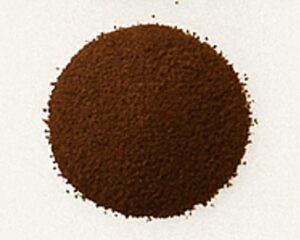
This one’s almost a powder. Turkish coffee is brewed unfiltered, which means the grounds stay in the cup. Extra fine grinds dissolve into the brew and settle at the bottom like silt. Anything coarser would make the texture gritty and unpleasant. This is not the place to experiment.
How to Adjust Your Grinder the Right Way
Know your grinder
There are two main types. Burr grinders crush beans between two surfaces and give you a much more even grind. That means better extraction and better flavor. Blade grinders use a spinning blade to chop the beans. They’re cheaper, but the grind size ends up all over the place. If you’re using a blade grinder and wondering why your coffee’s inconsistent, that’s probably why.
Check your settings regularly
Even with a burr grinder, settings can drift over time. Or maybe you adjusted it once and forgot. Either way, a quick check now and then can save your brew. Grind a small amount, brew a test cup, and see how it tastes. If it’s off, tweak slightly finer or coarser depending on the result.
Don’t be afraid to experiment
Grind settings aren’t one-and-done. Beans change from roast to roast, and even day to day depending on things like humidity. Try small changes and pay attention to how it tastes. One click on the dial can mean the difference between “meh” and “wow.”
How to Fix Common Grind Size Problems
If it tastes bitter
That usually means your grind is too fine. The water takes too long to pass through, and pulls out more bitterness than you want. Try a slightly coarser setting.
If it tastes sour or weak
Now the grind is probably too coarse. Water is moving too quickly and not extracting enough. Adjust to a finer setting and see if the flavor improves.
If the grind looks uneven
A mix of dust and chunks means inconsistent extraction. Some grounds will over-extract, others won’t extract enough. This often happens with blade grinders. If that’s what you’re using, try short pulses and shake the grinder between bursts to even things out a bit.
Tips for Consistent Grinding
Consistency is what separates a pretty good cup from one that makes you pause mid-sip and go, “Okay, that’s it. That’s the one.” The grind is where that consistency starts. Here’s how to make sure your grinder isn’t sabotaging your morning ritual.
1. Buy a grinder you can count on
If you’re still using a blade grinder, upgrading to a burr grinder is one of the best decisions you can make for your coffee. Burr grinders crush beans evenly, which leads to better extraction and better flavor. You don’t need to spend a fortune either. There are plenty of reliable options in the $60 to $150 range that work well for everyday use.
2. Use a scale instead of guessing
Scoops lie. Depending on the grind size and bean density, a scoop of coarse coffee can weigh far less than a scoop of fine coffee. Using a scale gives you control over your coffee-to-water ratio. It helps keep every cup consistent, especially when you’re switching between brewing methods or testing new beans.
3. Keep your grinder clean
Coffee oils and fine particles build up over time and can mess with the flavor. If your brew starts tasting a little off and you haven’t changed anything else, your grinder probably needs cleaning. A quick brush-out once a week and a deeper clean once a month is usually enough. Some grinders even come with a small brush, which makes it easier.
So, How Do You Make It Work Every Time?
You don’t need to memorize a hundred brew charts or pretend you’re a roastery technician. All you really need is the right grind for your brew method, a decent grinder, and a little curiosity. Once you start noticing how small tweaks in texture change the flavor in your cup, it stops feeling like a chore and starts getting kind of fun. No need to overcomplicate it. Trust your taste, adjust when something’s off, and keep it consistent. Great coffee isn’t about perfection, it’s about figuring out what works for you and running with it.
FAQs
1. Can I use the same grind size for different brewing methods if I’m in a pinch?
Technically, yes, but don’t expect great results. For example, using a French press grind in an espresso machine will likely produce a sour, weak shot. If you have to improvise, go for medium grind as a general fallback and adjust your brew time slightly to compensate.
2. Why does my coffee still taste off even when the grind size looks right?
Grind size is just one piece of the puzzle. Water temperature, brew time, bean freshness, and even your water quality can all affect the final taste. If you’ve nailed the grind and something still feels wrong, try adjusting one of those other variables.
3. How often should I replace the burrs in my grinder?
That depends on how much coffee you’re grinding. For home use, most burrs last about 500 to 1,000 pounds of coffee. If you’re brewing daily, once every couple of years is usually enough. Dull burrs can lead to uneven grinds, so it’s worth checking if your coffee has started tasting inconsistent for no clear reason.
4. Is pre-ground coffee ever okay to use?
If freshness isn’t your top priority, pre-ground can work in a pinch. But grind size is often not optimized for your method, and the coffee loses flavor fast. If you do buy pre-ground, match the grind to your brew method as closely as possible and store it in an airtight container.
5. Does the roast level of my beans affect the grind size I should use?
It can. Darker roasts tend to be more brittle and can grind finer than lighter roasts. This can sometimes throw off your usual settings. If you switch from light to dark (or vice versa), expect to make a minor adjustment to keep the flavor balanced.