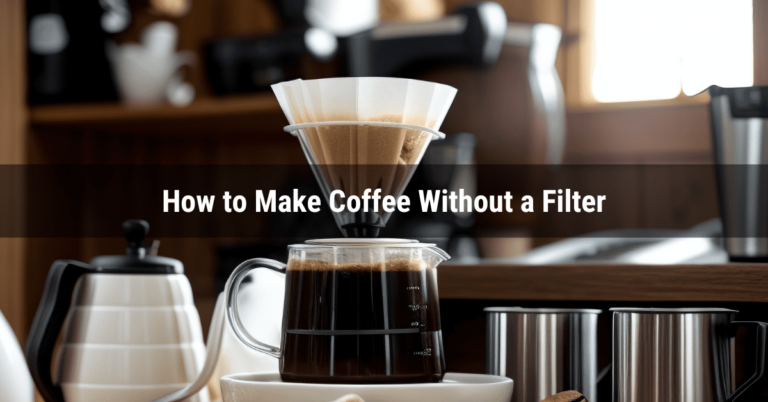

How To Make The Best Pour Over Coffee: A Step-by-Step Guide

Coffee lovers, unite! If you’re looking for a simple, yet sophisticated coffee brewing method, then pour over coffee might just be for you. Pour over coffee is a manual brewing method that has taken the coffee world by storm, offering coffee enthusiasts an opportunity to craft their perfect cup of coffee right at home. This guide will provide you with all the information you need to know about pour over coffee, including the equipment you need, how to make it, tips to make the best pour over coffee, the best coffee beans to use, the right ratio of coffee to water, pour over techniques, and the advantages and disadvantages of this brewing method.
What Is Pour Over Coffee
Pour-over coffee is a manual method of brewing coffee in which hot water is slowly poured over coffee grounds placed in a filter. The water then drips through the coffee grounds and into a carafe or cup, creating a delicious and flavorful cup of coffee. This method of brewing has gained popularity in recent years for its simplicity and ability to produce high-quality coffee. It is also highly customizable, allowing coffee enthusiasts to experiment with different types of coffee beans and grinds to find the perfect flavor profile for their taste buds.
What Equipment Do You Need To Make Pour Over Coffee
Making pour-over coffee is a straightforward process, but you will need a few key pieces of equipment. Here’s what you’ll need to get started:
- Coffee Grinder: A coffee grinder is essential for making pour-over coffee. You want to grind the coffee beans just before brewing to ensure maximum freshness and flavor. You can choose between a blade grinder or a burr grinder, depending on your preferences and budget.
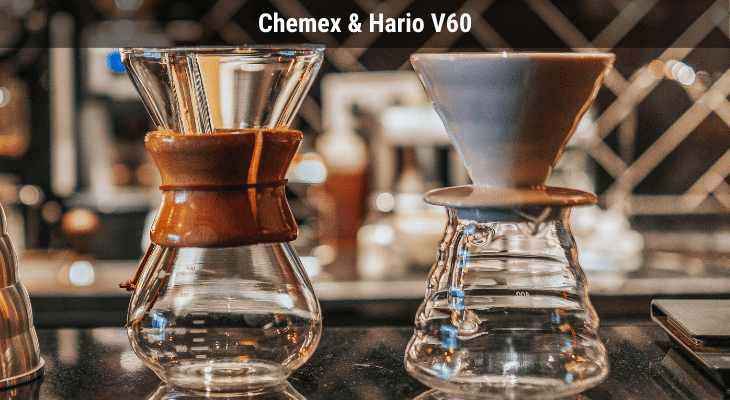
- Coffee Dripper: The coffee dripper is the heart of the pour-over setup. It is a cone-shaped device that sits on top of a carafe or cup, and it holds the coffee grounds. There are several different styles of coffee drippers available, including ceramic, plastic, and stainless steel. Some of the most popular options include the V60, Kalita Wave, Melitta, and Chemex. Each of these devices is designed differently and can impact extraction and flow. In this guide, we will discuss making pour over using both Chemex and V60.
- Coffee Filter: Coffee filters are essential for making pour-over coffee. They are placed in the coffee dripper and keep the coffee grounds separate from the brewed coffee. You can choose between paper filters, cloth filters, or reusable metal filters, depending on your preference and environmental impact concerns. Some people say that paper filters give your coffee a weird papery taste. To dodge that bullet, just give your filter a quick rinse before using it. Alternatively, you can use cloth filters since they don’t impact the flavor.
- Carafe or Cup: A carafe or cup is the container that will hold the brewed coffee. You can choose a glass carafe or a thermal carafe to keep the coffee hot for longer.
- Kettle: A kettle is needed to heat the water for brewing. You can use a stove-top kettle, an electric kettle, or even a pot on the stove. Make sure the kettle has a pour spout for easy and precise pouring.
How To Make Pour Over Coffee
Making pour-over coffee is a simple process that can be completed in just a few steps. Here’s how to make the perfect cup of pour-over coffee:
1) Grind your coffee: Begin by grinding your coffee beans to a medium-fine grind. The grind size will impact the extraction time and flavor of your coffee. You’ll need about 15-18 grams of coffee for a 12-ounce cup.
2) Boil the water: Fill your kettle with filtered water and bring it to a boil. The ideal brewing temperature is between 195°F and 205°F. Let the water cool for 30-60 seconds after boiling to reach the optimal temperature.
3) Place the filter: Place the coffee filter in the coffee dripper and rinse it with hot water to remove any papery taste. This will also preheat your carafe or cup.
4) Add the coffee: Add the ground coffee to the filter, tapping it gently to settle the grounds.
5) Bloom the coffee: Pour a small amount of hot water (around 60-70 ml) over the coffee grounds and let it sit for 30-60 seconds. This allows the coffee to “bloom,” releasing carbon dioxide and creating a better extraction.
6) Pour the remaining water: After blooming, slowly pour the remaining hot water over the coffee grounds in a circular motion, making sure to wet all the grounds evenly. It should take about 2-3 minutes for all the water to pass through the coffee grounds.
7) Enjoy your coffee: Once all the water has passed through the coffee grounds, remove the coffee dripper and enjoy your freshly brewed pour-over coffee.
How To Make Pour Over Coffee Using Chemex
The Chemex is a popular pour-over coffee maker that produces a clean, bright, and full-bodied cup of coffee. The steps are pretty much the same as the regular method, but with a few changes. Here’s how to make pour-over coffee using the Chemex:
1) Grind your coffee: Begin by grinding your coffee beans to a medium-coarse grind. You’ll need about 30-40 grams of coffee for a 6-cup Chemex.
2) Boil the water: Fill your kettle with filtered water and bring it to a boil. The ideal brewing temperature is between 195°F and 205°F. Let the water cool for 30-60 seconds after boiling to reach the optimal temperature.

3) Place the filter: Fold a Chemex filter in half, then in half again to create a cone shape. Place the filter in the Chemex, making sure the folded side faces the spout. Rinse the filter with hot water to remove any papery taste and preheat the Chemex.

4) Add the coffee: Add the ground coffee to the filter and tap it gently to settle the grounds.
5) Bloom the coffee: Pour a small amount of hot water (around 60-70 ml) over the coffee grounds and let it sit for 30-60 seconds. This allows the coffee to “bloom,” releasing carbon dioxide and creating a better extraction.
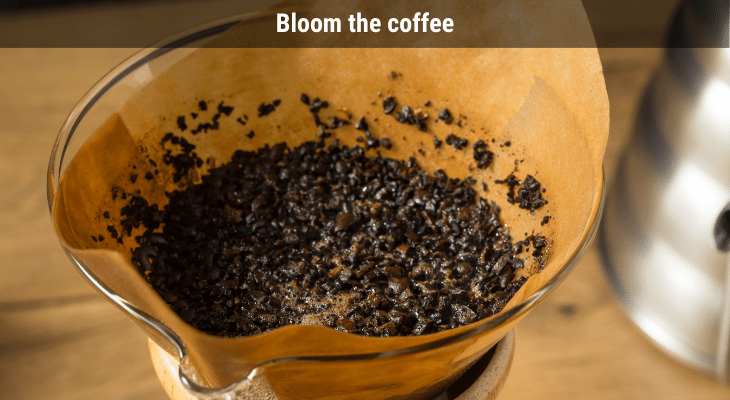
6) Pour the remaining water: After blooming, slowly pour the remaining hot water over the coffee grounds in a circular motion, making sure to wet all the grounds evenly. It should take about 2-3 minutes for all the water to pass through the coffee grounds.
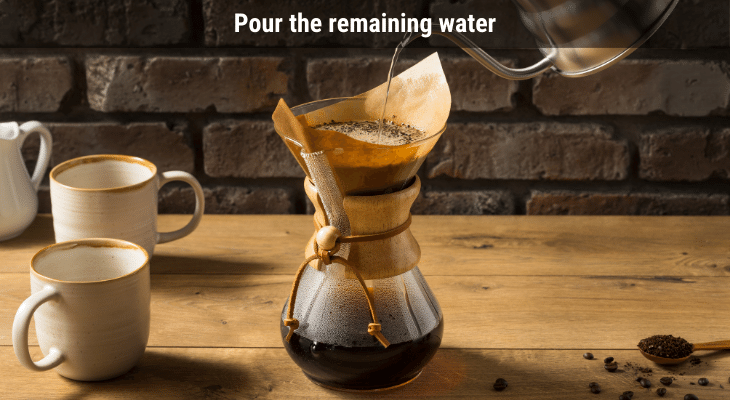
7) Enjoy your coffee: Once all the water has passed through the coffee grounds, remove the Chemex and enjoy your freshly brewed pour-over coffee.
Why Use Chemex For Pour Over Coffee
There are several reasons why Chemex is a great option for pour-over coffee:
- Clean and bright flavor: The Chemex produces a clean and bright cup of coffee, thanks to its thick filter that removes much of the coffee’s oils and sediment.
- Consistent results: The Chemex’s thick filter and slow pouring method result in a consistent and well-balanced cup of coffee every time.
- Durable design: The Chemex is made of heat-resistant borosilicate glass and has a wooden collar and leather tie, making it both functional and stylish.
- Capacity: The Chemex comes in various sizes, ranging from 3 cups to 13 cups, so you can choose the right size for your needs.
- Easy to use: The Chemex is straightforward and easy to use, making it a great option for coffee lovers of all levels.
How to Make Pour Over Coffee Using Hario V60
Similar to Chemex, the Hario V60 is another popular option for pour-over coffee. Here’s how to make pour-over coffee using the Hario V60:
1) Grind your coffee: Begin by grinding your coffee beans to a medium-fine grind. You’ll need about 20-30 grams of coffee for a 16 oz Hario V60.
2) Boil the water: Fill your kettle up with filtered water and get it boiling. You want to brew your coffee at the perfect temperature, which is somewhere between 195°F and 205°F. After boiling, let the water sit for about 30-60 seconds to cool down to just the right temperature.
3) Place the filter: Place a Hario V60 filter in the dripper and rinse it with hot water to remove any papery taste and preheat the dripper.
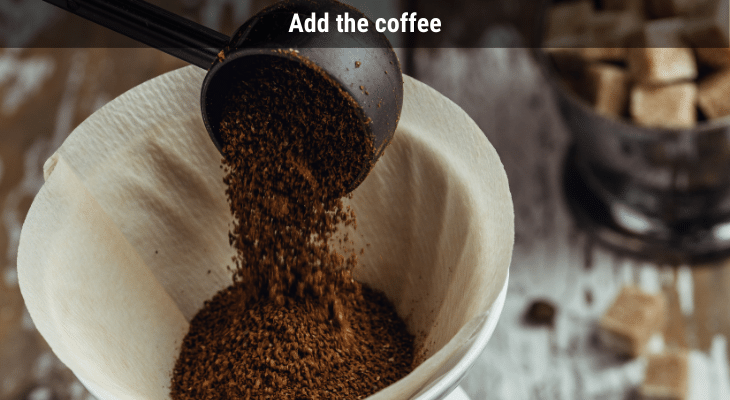
4) Add the coffee: Add the ground coffee to the filter and tap it gently to settle the grounds.
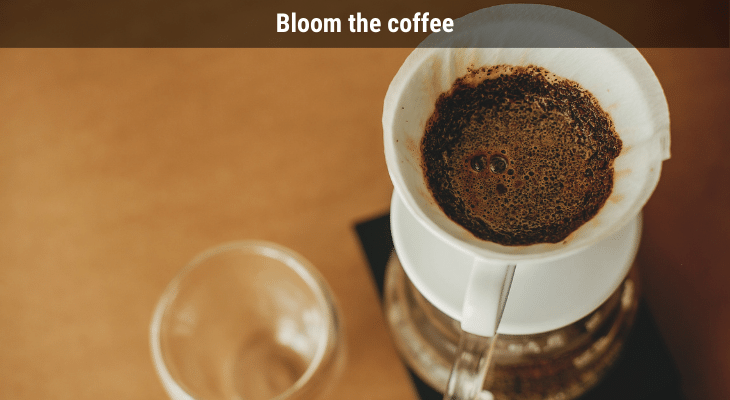
5) Bloom the coffee: Pour a small amount of hot water (around 60-70 ml) over the coffee grounds and let it sit for 30-60 seconds. This allows the coffee to “bloom,” getting rid of the carbon dioxide and making the extraction process better.
6) Pour the remaining water: Once you’re done blooming, pour the rest of the hot water over the coffee grounds real slow, and swirl it around in a circle to make sure every bit of grounds gets wet. It should take around 2-3 minutes for all the water to drip through.

7) Enjoy your coffee: Once all the water has passed through the coffee grounds, remove the Hario V60 and enjoy your freshly brewed pour-over coffee.
Why Use Hario V60 for Pour Over Coffee
Here are several reasons why the Hario V60 is a great option for pour-over coffee:
- Consistent results: The Hario V60’s unique design, with its large cone-shaped hole, allows for a consistent and well-balanced cup of coffee every time.
- Versatile: The Hario V60 is available in various sizes and materials, including plastic, ceramic, and metal, so you can choose the right option for your needs.
- Portable: The Hario V60 is small and lightweight, making it easy to take with you on the go.
- Cost-effective: The Hario V60 is an affordable option for those who want to enjoy pour-over coffee without breaking the bank.
- Easy to use: The Hario V60 is straightforward and easy to use, making it a great option for coffee lovers of all levels.
Tips To Make The Best Pour Over Coffee At Home
Making a great cup of pour-over coffee is an art, but with a few simple tips, anyone can master it. Here are some things to keep in mind when brewing your coffee at home:
Use High-Quality Coffee Beans
The quality of the coffee beans you use will have a huge impact on the final product. To make the best pour-over coffee, you should use freshly roasted, high-quality coffee beans. Look for beans that have been roasted within the past two weeks, and make sure they are specifically labeled for pour-over brewing.
Pay Attention to Grind Size
The grind size of your coffee will have a big impact on the brewing time and flavor. A fine grind will result in a strong, bitter cup of coffee, while a coarse grind will result in a weak, watery cup. Experiment with different grind sizes to find what works best for your brewing method and coffee beans.
Experiment with Water Temperature
The water temperature you use when brewing your coffee can make a big difference in the final flavor. Aim for a temperature between 195°F and 205°F. Too hot and you’ll scorch the coffee, too cool and the flavor will be flat. Experiment with different temperatures to see what works best for your particular beans and brewing method.
Control the Water Flow
Pour-over coffee requires a slow, steady pour of water to allow the coffee to fully extract. Don’t rush the process, and try to pour the water in a circular motion over the coffee grounds. You should aim for the water to be in contact with the coffee for about 4 minutes.
Store Your Coffee Properly
Finally, make sure you store your coffee beans properly. Coffee can easily absorb odors and flavors from other items, so keep it in an airtight container in a cool, dry place.
With these tips in mind, you’re well on your way to making the best pour-over coffee right in your own home.
The Best Coffee Beans For Pour Over Coffee
When it comes to making pour-over coffee, the type of coffee beans you use is just as important as the brewing method. Here are some coffee beans that are great for pour-over brewing:
Light Roast
Light roast coffee beans have a bright, fruity flavor and a light body. They are a great choice for pour-over coffee because they allow the delicate flavors and aromas of the coffee to shine through.
Medium Roast
Medium roast coffee beans have a well-rounded flavor with a medium body. They are a good choice for pour-over coffee because they provide a balanced cup that is not too strong or too weak.
Single Origin
Single origin coffee beans come from a single country or region, and they are known for their unique flavor profiles. They are a great choice for pour-over coffee because they allow you to experience the different flavors and aromas of different coffee-growing regions.
No matter what type of coffee beans you choose, make sure they are fresh and high-quality. Freshly roasted coffee beans will provide the best flavor and aroma.
What Ratio Of Coffee To Water Should You Use
The ratio of coffee to water you use will have a big impact on the strength and flavor of your pour-over coffee. A good starting point is 1:16, meaning one part coffee to 16 parts water. This means for every 1 gram of coffee, you’ll use 16 grams of water.
You can adjust the ratio to suit your personal taste. If you prefer a stronger cup of coffee, increase the amount of coffee and decrease the amount of water. If you prefer a weaker cup, do the opposite.
Pour Over Techniques For The Perfect Cup
There are several techniques that can be used to brew the perfect cup. Here are a few techniques to try:
The Bloom
When you first pour water over the coffee grounds, you might notice some bubbles popping up – that’s the bloom! It happens because of all the carbon dioxide that got trapped in the beans during the roasting process. The bloom is an important step in the pour-over process. It involves pouring just enough water over the coffee grounds to saturate them, then allowing the coffee to “bloom” for 30 seconds. This helps to release trapped carbon dioxide in the coffee and improves the overall flavor of the final brew.
Pouring Techniques
There are several different pouring techniques that can be used when making pour-over coffee. Some people prefer to pour the water slowly and steadily in a circular motion, while others prefer to pour in a spiral motion.
There are a couple of other pouring techniques worth discussing – continuous pour and pulse pour.
Continuous pour means pouring a steady stream of hot water over the coffee grounds, which keeps the coffee bed at a consistent temperature and gives you an even extraction. This way can give you a more consistent cup of coffee, but it takes a bit of muscle to keep pouring slowly for a few minutes.
Pulse pour involves pouring hot water over the coffee grounds in little batches. This method shakes things up and helps get more flavor out of all the coffee grounds, so you get a faster extraction and brew time. This one’s easier and faster than continuous pour, and is a great choice for beginners trying out pour over brewing.
Agitation
Agitation refers to stirring or shaking the coffee grounds during the brewing process. Some people believe that this helps to extract more flavor from the coffee, while others believe that it can lead to a bitter taste. Try agitating your coffee grounds and see how it affects the flavor of your brew.
No matter what technique you choose, the most important thing is to pour the water evenly over the coffee grounds to ensure a consistent extraction.
Advantages And Disadvantages of Pour Over Coffee
Like any brewing method, pour-over coffee has its pros and cons. Here are a few advantages and disadvantages to consider:
Advantages
1) Customizable: Pour-over coffee allows you to control the water temperature, flow rate, and brewing time to tailor the final brew to your taste preferences.
2) Consistent: Because you are manually pouring the water over the coffee grounds, you have complete control over the extraction process, leading to a more consistent final brew.
3) Portable: Pour-over coffee makers are small and lightweight, making them perfect for travel or for those who don’t have a lot of counter space.
4) Versatile: Pour-over coffee can be made with a variety of coffee beans, so you can experiment with different flavors and roasts to find your perfect cup.
Disadvantages
1) Time-consuming: Pour-over coffee is a manual brewing method, so it can take longer to make a cup than other methods, like a drip coffee maker.
2) Attention to detail: Pour-over coffee requires careful attention to detail, so it may not be the best choice for those who are in a rush or looking for a quick, hands-off brewing method.
3) Experimentation: Because there are so many variables to consider when making pour-over coffee, it can take some time and experimentation to get the perfect cup.
Overall, pour-over coffee is a great choice for coffee lovers who want to take their brewing to the next level and experiment with different flavors and coffee brewing techniques.
In conclusion, pour over coffee is an easy, yet sophisticated brewing method that offers coffee lovers an opportunity to craft their perfect cup of coffee right at home. With a little bit of practice, you’ll be able to make delicious pour over coffee that rivals that of any coffee shop. Whether you choose to use Chemex or Hario V60, the most important thing is to have fun, experiment with different coffee beans, and enjoy your perfect cup of coffee. So why wait? Grab your coffee equipment and start brewing today!
FAQs
What is the best pour over coffee ratio?
The ideal coffee-to-water ratio for pour over coffee is 1:15. This means for every 1 gram of coffee, you should use 15 milliliters of water.
How do you make a 12 oz pour over?
To make a 12 oz pour over, you will need 20 grams of coffee and 300 milliliters of water. Start by adding your coffee to the filter, then add just enough water to the grounds to let them bloom for 30 seconds. After that, pour the remaining water in a slow, circular motion.
How many scoops of coffee do you put in a pour over?
A general guideline for the number of scoops of coffee to use is 2 tablespoons, or 10-12 grams, per 6 ounces of water.
Should you stir your pour over?
You should not stir your pour over coffee during the brewing process. Letting the water naturally flow through the grounds will result in a better extraction.
What size grind should I use for pour over?
A medium grind size is ideal for pour over coffee, as a fine grind will result in a bitter taste, while a coarse grind will result in weak coffee.
Why does my pour over taste bitter?
Pour over coffee can taste bitter if you use too much coffee, if the grind size is too fine, or if the water is too hot.
Why doesn’t my pour over coffee taste good?
Poor pour over coffee can also be due to using old or low-quality coffee beans, not letting the coffee bloom, or not using the right coffee-to-water ratio.
How do you bloom a pour over?
To bloom your pour over, add just enough water to the coffee grounds to saturate them, then let it sit for 30 seconds. This allows the coffee to release gases and results in a better extraction.
What happens if you don’t let coffee bloom?
If you don’t let coffee bloom, the extraction will be uneven and the coffee will have a flat, unbalanced taste.
Do you use boiling water for pour-over coffee?
Boiling water should not be used for pour-over coffee as the temperature should be around 200°F. Too hot water can extract bitter flavors from the coffee.
How long do you steep pour-over coffee?
Steep time for pour-over coffee is typically 3-4 minutes.
Why do you wet the filter for a pour over?
Wetting the filter before adding the coffee helps to remove any paper taste and ensures a consistent extraction.
Which is better French press or pour over?
Both French press and pour over coffee have their own unique flavors and it comes down to personal preference. French press coffee has a full-bodied flavor, while pour over coffee has a cleaner taste.
Is pour over better than drip?
Pour over coffee is often considered to be better than drip coffee as it allows for better control over the brewing process and results in a cleaner, brighter flavor.
Why pour over is better than espresso?
Pour over coffee allows for a longer extraction time, resulting in a smoother, less bitter taste than espresso.
Can you use regular ground coffee for pour over?
Regular ground coffee can be used for pour over, but it is best to use freshly roasted, high-quality coffee beans.
Do you add milk to pour over?
You can add milk or cream to pour over coffee if desired, but it is generally not necessary as pour over coffee has a clean, bright flavor.
Do you add cream to a pour over?
The same goes for cream, you can add it to your pour over coffee if you prefer, but it is not necessary.