

80 Interesting Facts About Coffee: Beyond the Bean

Looking for some interesting coffee facts? Check out our list of 80 facts about coffee, covering everything from the history and origin of coffee to health benefits and unique varieties. Learn about the culture, traditions, industry, and innovations surrounding this beloved beverage.
History and Origin of Coffee
1) The first coffee mugs were used during the Neolithic period for water, spirits, mead, and wine
During the Neolithic period, people began to create pottery to store liquids, including coffee. The first coffee mugs were simple and made from clay. They were primarily used to hold water, spirits, mead, and wine. The shape of the mug varied by region and culture, with some being tall and narrow, while others were wider and more bowl-shaped. As coffee became more popular, the design of coffee mugs evolved to accommodate the specific needs of coffee drinkers. Today, coffee mugs come in a wide variety of shapes, sizes, and materials.
2) Coffee was discovered in Ethiopia around 850 AD
According to legend, coffee was discovered by a goat herder in Ethiopia who noticed that his goats became energetic after eating certain berries. The goat herder tried the berries himself and discovered that they had a stimulating effect. Coffee spread throughout Ethiopia and eventually made its way to the Arabian Peninsula. From there, it was introduced to Europe and the rest of the world. Today, Ethiopia is still one of the world’s largest coffee producers.
3) Coffee was originally brewed with spices like cinnamon and cardamom, and was used for medicinal purposes
In its early days, coffee was often brewed with spices like cinnamon and cardamom to add flavor and medicinal properties. Coffee was believed to have a variety of health benefits, including aiding digestion and improving mental alertness. In many cultures, coffee was also seen as a social and cultural beverage, bringing people together and creating a sense of community.
4) The word “coffee” comes from the Arabic word “qahwah”, which means “wine of the bean”
The word “coffee” is derived from the Arabic word “qahwah”, which means “wine of the bean”. The Arabic word was originally used to describe a type of wine made from coffee cherries. The word “qahwah” eventually evolved into the Turkish word “kahve”, which was then adopted into various European languages. Today, coffee is known by many different names around the world, but its Arabic origins are still reflected in its name.
5) Mecca banned coffee in the 16th century, believing it stimulated radical thinking
In the 16th century, Mecca banned coffee, believing that it stimulated radical thinking and promoted rebelliousness. However, the ban was short-lived and was eventually lifted. Coffee continued to spread throughout the Middle East and eventually made its way to Europe, where it became a popular beverage among intellectuals and artists.
6) Coffee was introduced to Europe in the 16th century, becoming popular in England in the 17th century
Coffee was first introduced to Europe in the 16th century and quickly became popular among the upper classes. It was initially viewed as a luxury item and was sold in small quantities for a high price. By the 17th century, coffee had become a popular beverage in England, where coffeehouses became gathering places for intellectuals, businessmen, and politicians. The popularity of coffee in Europe eventually led to the establishment of coffee plantations in the Americas.
7) The first coffeehouse in England opened in Oxford in 1650
Coffeehouses became popular in England during the 17th century and were referred to as “penny universities” because, for the price of a penny, one could purchase a cup of coffee and engage in intellectual discussions with fellow patrons. Coffeehouses were also known for hosting political debates and serving as a hub for merchants, artists, and writers. The popularity of coffeehouses spread throughout Europe and North America, shaping the social and cultural landscape of these regions.
8) The first coffee advertisement was published in a newspaper in 1652
The advertisement was for a coffeehouse in London, England, and listed the various health benefits of coffee. This was the beginning of a long tradition of advertising coffee, which continues to this day. Coffee is often marketed as a way to boost energy and productivity, as well as a social beverage to be enjoyed with friends and family.
9) Boston had the first coffeehouse in America in 1676
The coffeehouse was called “The King’s Coffeehouse” and was located on King Street in Boston. Coffeehouses quickly became popular in colonial America and served as meeting places for politicians, merchants, and intellectuals. Coffeehouses were also important in the American Revolution, as they provided a space for revolutionary leaders to plan and coordinate their efforts against British rule.
10) The first coffee house in Vienna, Austria opened in 1683 after the Turkish army was defeated
Vienna, Austria is known for its rich coffee culture, which dates back to the late 17th century. The first coffee house in Vienna, called Kolschitzky, was opened in 1683 by a Polish officer named Jerzy Franciszek Kulczycki. The coffee house was established shortly after the Turkish army was defeated outside the gates of Vienna, and Kulczycki was said to have acquired bags of coffee left behind by the retreating army. He then opened the first coffee house in Vienna, which became a popular meeting place for locals and visitors alike.
11) In Ethiopia during the 17th century, coffee beans were used as a form of currency
Coffee was so valuable in Ethiopia that it was used as a currency for trading goods and services. The practice of using coffee as currency eventually led to the establishment of coffee trade routes throughout the region, which helped to spread the cultivation and consumption of coffee.
12) Dutch traders introduced coffee to Japan in the 17th century
The Dutch brought coffee to Japan through their trading posts in Nagasaki and Hirado. Initially, coffee was considered a luxury item and was only consumed by the wealthy. However, as Japan’s coffee culture grew, coffee became more widely available and was consumed by people from all walks of life. Today, Japan has a thriving coffee culture and is known for its unique brewing methods and specialty coffee shops.
13) The first coffee plant in the United States was planted in 1723 in present-day Louisiana
Coffee was not native to America and was only introduced to the continent during the colonial period. Today, Hawaii and Puerto Rico are the only states that commercially grow coffee. The climate in these areas is suitable for coffee cultivation due to their tropical environments.
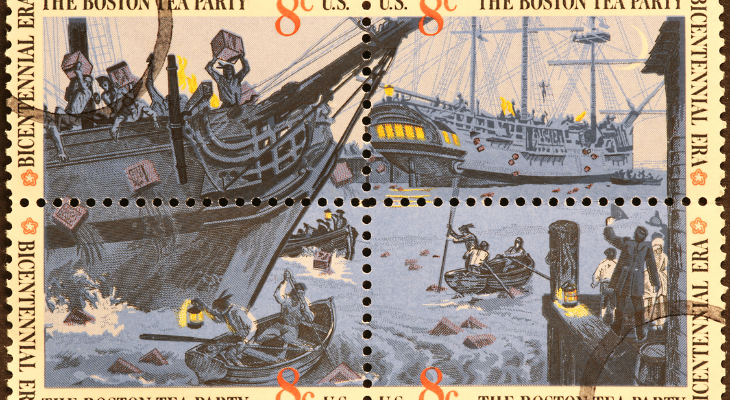
14) The Boston Tea Party of 1773 played a significant role in the popularization of coffee in America
The Boston Tea Party was a significant event in American history that helped popularize coffee in the country. In 1773, American colonists dumped 342 crates of imported British tea into the Boston Harbor to protest “taxation without representation.” This act of defiance against tea led to an increase in the popularity of coffee as more people began boycotting tea. Coffee plants had already been introduced to America early on in the 18th century, but it was the Boston Tea Party that helped it gain popularity.
15) Coffee was once banned in Sweden due to beliefs that it was a dangerous narcotic
In the late 1700s, Sweden’s King Gustav III believed that coffee was poisonous and ordered an experiment to prove his theory. The experiment involved two identical twins who were sentenced to death, with one twin being given a daily dose of coffee and the other water. The twin who drank coffee lived longer, and King Gustav III lifted the ban on coffee. Today, Sweden is one of the largest consumers of coffee in the world.
16) The coffee bean was not grown in the Americas until the 18th century
Coffee originated in Ethiopia and was brought to Europe by Arab traders in the 16th century. From there, it was introduced to the Americas through European colonies. The first coffee plantations in the Americas were established in the Caribbean and Brazil in the 18th century. Today, Brazil is the largest coffee-producing country in the world.
17) The first coffee plantation in the United States was established in Hawaii in 1825
The coffee industry in Hawaii grew rapidly, and by the late 1800s, it was one of the state’s most profitable industries. Today, Kona coffee from Hawaii is considered a premium coffee and is highly sought after by coffee connoisseurs around the world.
18) The first decaffeinated coffee was invented in 1903 by a German coffee merchant named Ludwig Roselius
Ludwig Roselius was a coffee merchant from Bremen, Germany, who was searching for a way to remove caffeine from coffee without compromising its taste. In 1903, he discovered a method using a chemical solvent called benzene to decaffeinate coffee beans. While this method was later found to be harmful and replaced with safer methods, Roselius is credited with inventing the first decaffeinated coffee.
19) The term “coffee break” became popularized in the United States during World War II
The term “coffee break” was coined by the Pan-American Coffee Bureau, which encouraged Americans to drink coffee during their breaks as a way to support the war effort. Today, coffee breaks are a common practice in workplaces around the world and are seen as an opportunity to take a break, socialize, and recharge.
Varieties of Coffee beans
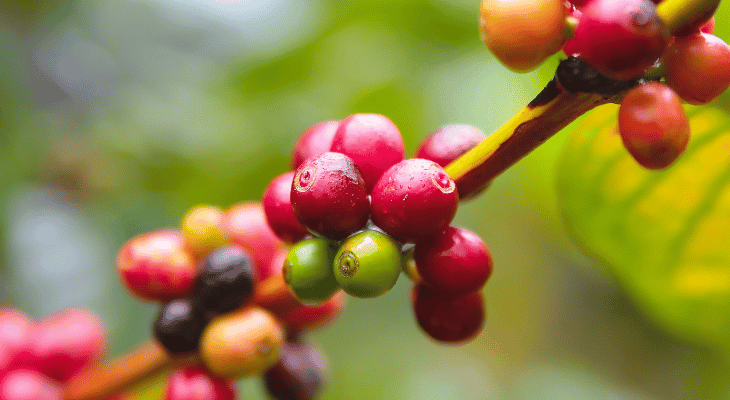
20) Coffee beans are actually seeds that come from a fruit called a “cherry”
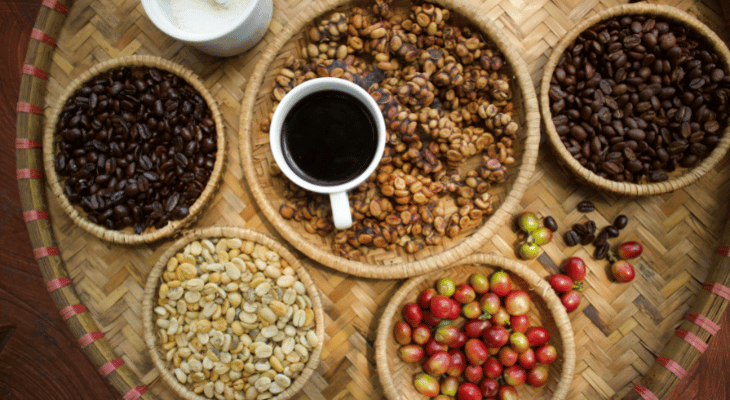
Many people are surprised to learn that coffee beans are actually the seeds of a fruit called a “cherry”. The fruit of the coffee plant is similar in appearance to a cherry, and contains two seeds or beans. After the fruit is harvested, the seeds are separated from the fruit and processed to remove the outer layers. The remaining seeds, which are the coffee beans, are then roasted to develop their characteristic flavor and aroma.
21) Arabica and Robusta are the two most popular species of coffee beans
Arabica and Robusta are the two most commonly cultivated species of coffee beans. Arabica beans are grown at higher elevations and are generally considered to have a smoother and more complex flavor profile than Robusta beans. Robusta beans, on the other hand, are grown at lower elevations and have a stronger, more bitter taste. While Arabica beans are more expensive, they are preferred by many coffee enthusiasts due to their more nuanced flavor.
22) Coffee contains more antioxidants than most fruits and vegetables
Antioxidants are compounds that protect cells against damage caused by free radicals, which can contribute to the development of diseases like cancer and heart disease. Coffee is rich in antioxidants, with some studies suggesting that it contains more antioxidants than popular fruits and vegetables such as blueberries, raspberries, and even kale. Antioxidants found in coffee include polyphenols and hydrocinnamic acids. However, it is important to note that the amount and type of antioxidants in coffee can vary depending on factors such as roast level and brewing method.
23) Decaffeinated coffee still contains a small amount of caffeine
Decaffeinated coffee is a popular option for those who want to enjoy the taste of coffee without the stimulating effects of caffeine. However, decaffeinated coffee still contains a small amount of caffeine, typically around 2-5 milligrams per 8-ounce cup. This amount of caffeine is much lower than regular coffee, which can contain anywhere from 70-140 milligrams per cup, but it is not completely caffeine-free.
24) Arabica beans are generally considered to have a smoother and more complex flavor than Robusta beans
Arabica beans are prized by coffee aficionados for their nuanced and complex flavor profile. They are typically grown at high altitudes and in cool climates, which helps to develop their delicate flavor. Arabica beans are often described as having a floral or fruity aroma, with notes of chocolate, nuts, and spices. In contrast, Robusta beans are typically grown at lower altitudes and in warmer climates, which can result in a harsher, more bitter taste.
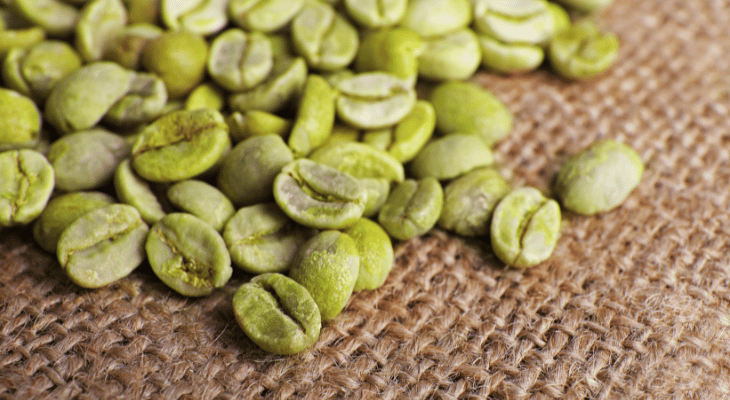
25) Coffee beans are actually green when they are harvested, and only turn brown after they are roasted
Coffee beans are typically harvested when they are still green and unripe. The outer layers of the fruit are removed to reveal the two seeds, which are green in color. The green coffee beans are then roasted, which causes them to turn brown and develop their characteristic flavor and aroma. The roasting process is critical to the development of the coffee bean’s flavor, as it affects the balance of acids, sugars, and oils in the bean.
Consumption of Coffee
26) Coffee ranks as the third most consumed beverage worldwide, following water and tea
Coffee is a globally beloved beverage that is cherished by millions of people worldwide. It’s no surprise that coffee ranks as the third most consumed beverage in the world, following water and tea. According to a report from the International Coffee Organization, coffee consumption continues to rise year after year, with approximately 167 million 60-kg bags of coffee being consumed in 2020 alone. This growing popularity of coffee can be attributed to its rich, bold flavor, energizing effects, and numerous health benefits.
27) Coffee is the second most popular beverage in the United States, after water
While coffee is the most popular beverage globally, in the United States, it comes in second place after water. Americans consume an average of 3.1 cups of coffee per day, which adds up to a total of around 400 million cups daily. Coffee is an integral part of American culture, with coffee shops and cafes being popular meeting places for friends and colleagues, and coffee breaks being a staple in many workplaces.
28) Americans on average consume around 3 cups of coffee each day
Coffee is an essential part of daily life for many Americans, with an average of 3 cups consumed each day. Whether enjoyed as a morning pick-me-up or an afternoon treat, coffee provides a boost of energy and a comforting taste to millions of people. It is no surprise that the United States is one of the largest coffee-consuming countries in the world.
29) Finland holds the highest per capita coffee consumption rate
Finland holds the title for the highest per capita coffee consumption rate in the world, with an average of 12 kilograms per person per year. Coffee is a staple of Finnish culture, with many social events and gatherings centered around coffee drinking. It is not uncommon for Finns to enjoy several cups of coffee throughout the day.

30) In many countries, coffee is consumed throughout the day and is an important part of social and cultural life
In many countries, coffee is more than just a beverage; it is a social and cultural tradition. From the Italian espresso bar to the Turkish coffee ceremony, coffee is often served with ceremony and tradition. In many places, coffee is enjoyed with friends and family as a way to connect and build relationships. Coffee shops have become a common gathering place for people to meet and relax, making coffee an important part of many people’s lives.
Coffee Culture and Traditions
31) Coffee is the most popular beverage in the Middle East, where it is often served with dates or other sweets
Coffee has a rich history in the Middle East and is an integral part of their daily life. It is often served in small cups alongside dates or other sweets, such as baklava. In many Middle Eastern countries, coffee is prepared using a traditional brass coffee pot called a dallah, which adds to the cultural experience of enjoying the beverage.
32) In Italy, it is customary to take an espresso shot after meals
In Italy, coffee is not just a beverage but a way of life. It is customary to take an espresso shot after meals, known as “caffè” in Italian. Italians take their coffee seriously, and it is believed that the best espresso is made from freshly roasted beans and ground just before brewing. Italians also have various coffee rituals, such as standing at the bar to drink coffee quickly or sitting at a café to savor their coffee and socialize.
33) In Turkey, coffee is usually accompanied by a sugary treat like Turkish delight
Turkish coffee is a famous coffee preparation method that originated in Turkey. It is usually served with a small sugary treat like Turkish delight, which is a traditional accompaniment to the drink. This sweet treat helps to balance the strong and bitter flavor of the coffee. In Turkey, coffee is often prepared in a special pot called a cezve, which is made of copper or brass, and served in a small cup called a fincan.
34) In Sweden, coffee is typically accompanied by a small pastry known as a “fika”
In Sweden, coffee breaks are a popular ritual called “fika.” It usually involves taking a break to enjoy a cup of coffee, accompanied by a small pastry, such as a cinnamon bun or a cardamom bun. Fika is not only about coffee, but it’s a social practice that emphasizes the importance of taking a break and spending time with friends or colleagues.

35) In many countries, coffee is served with a glass of water to cleanse the palate and enhance the flavor
The water helps to remove any lingering flavors in the mouth, allowing the coffee’s taste to be fully appreciated. Moreover, drinking water alongside coffee is also believed to aid digestion and prevent dehydration.
36) In some cultures, it is customary to roast coffee beans in front of guests as a sign of hospitality
Roasting coffee beans in front of guests is a sign of hospitality in some cultures, such as in parts of the Middle East and Africa. It is a way of showing guests that the coffee is fresh and not pre-packaged. Roasting coffee beans also releases a delicious aroma, which can create an inviting atmosphere for guests. The coffee is usually served with dates or other traditional sweets, making it a delightful experience for the guests.
37) In some cultures, declining a cup of coffee when it is offered to you is considered rude
Coffee plays an important role in many cultures, and in some, declining a cup of coffee when it is offered is considered rude. In such cultures, offering coffee to guests is a sign of hospitality and warmth. For example, in the Middle East, coffee is an essential part of hospitality, and it is often served with dates or other sweets as a sign of welcome. In these cultures, it’s important to graciously accept the coffee offered to you, even if you don’t usually drink coffee.
38) In some cultures, it is traditional to read the coffee grounds after drinking to tell fortunes.
Reading the coffee grounds, also known as tasseography, is a practice that has been around for centuries in some cultures. It involves drinking a cup of coffee and then reading the patterns left in the coffee grounds to interpret the future. The practice is popular in the Middle East, Greece, and other parts of the world. The person who reads the coffee grounds is usually called a tasseographer or fortune teller.
Coffee Industry and Innovation
39) The first Starbucks location opened in Seattle in 1971
The first Starbucks location was opened in Seattle’s Pike Place Market in 1971 by three partners – Jerry Baldwin, Zev Siegl, and Gordon Bowker. At the time, the store sold only coffee beans and coffee-making equipment, but it quickly became popular among local coffee lovers. The founders of Starbucks were inspired by the coffee culture in Italy and wanted to bring high-quality coffee to the United States. Over the years, the company has grown to become the largest coffee chain in the world, with locations in over 80 countries.
40) Starbucks, with over 30,000 locations worldwide, is the largest coffee chain in the world
Starbucks is an American multinational coffee company that operates over 30,000 locations worldwide. The company was founded in Seattle in 1971, and since then, it has become the largest coffee chain in the world. Starbucks is known for its signature beverages, including the Frappuccino, Caramel Macchiato, and Pumpkin Spice Latte. In addition to its coffee and tea offerings, Starbucks also serves a variety of pastries, sandwiches, and other food items. The company has a strong commitment to social responsibility, sustainability, and ethical sourcing of its coffee beans.

41) The coffee industry provides employment for over 25 million people worldwide
Coffee is one of the most widely consumed beverages in the world, and it also provides a livelihood for millions of people. According to the International Coffee Organization, the coffee industry provides employment for over 25 million people worldwide. This includes everyone from coffee farmers and roasters to baristas and coffee shop owners. The coffee industry is an important source of income for many developing countries, with over 90% of coffee production taking place in developing countries. In addition to providing employment, the coffee industry is also a major source of foreign exchange earnings for many countries.
42) Coffee is the second most traded commodity in the world after crude oil
Coffee is a highly valued commodity that is traded on international markets. It is the second most traded commodity in the world after crude oil, with an estimated 2.25 billion cups of coffee consumed every day. The global coffee industry is worth billions of dollars, and it provides employment for millions of people worldwide. Coffee is grown in over 70 countries, with the majority of production taking place in developing countries. The coffee trade is subject to fluctuations in supply and demand, weather conditions, and political factors.
43) Coffee is one of the few commodities that is traded on both futures and options markets
Coffee is unique in that it is one of the few commodities that is traded on both futures and options markets. Futures contracts allow buyers and sellers to lock in a price for coffee at a future date, while options contracts give buyers the right (but not the obligation) to buy or sell coffee at a certain price. This allows coffee buyers and sellers to manage their price risk and hedge against price fluctuations in the market. The coffee futures market is one of the most active and liquid commodity markets in the world.
44) The first coffee maker was invented in France in 1822
The first coffee maker was invented by a gentleman named Louis Bernard Rabaut. The device used a filter made of cloth to prevent coffee grounds from entering the cup. This French invention marked the beginning of the modern era of coffee brewing.
45) The coffee filter was invented by a German woman named Melitta Bentz in 1908
Bentz created the first coffee filter by puncturing holes in a brass cup and lining it with a piece of blotting paper from her son’s schoolbook. This invention paved the way for drip coffee makers and helped to improve the taste of coffee by removing excess oils and sediments from the brew.
46) The first instant coffee was invented by a Japanese scientist named Satori Kato in 1901
Kato discovered that by brewing coffee using high pressure and then quickly drying the resulting liquid, he could create a soluble powder that could be reconstituted with hot water. This invention revolutionized the coffee industry, making it possible to enjoy a cup of coffee quickly and easily without the need for brewing equipment.
47) The world’s first coffee vending machine was invented in the United States in 1947
The world’s first coffee vending machine was invented by a company called the Vendotron. The machine, which was installed in a gas station in the city of Philadelphia, served cups of coffee for a dime. This invention marked a significant step forward in the development of automated retail technology, paving the way for the modern-day vending machines that we see today.
48) Coffee beans can be used to make natural insect repellent
The caffeine and natural oils found in coffee beans are toxic to insects, making them a great alternative to chemical-based insecticides. To make an insect repellent, grind up coffee beans and sprinkle them around areas where insects are likely to gather.
49) Coffee beans can be used to make natural body scrub
The rough texture of coffee grounds makes them an excellent exfoliant, helping to remove dead skin cells and leaving the skin feeling soft and smooth. To make a coffee body scrub, mix coffee grounds with oil and sugar to create a paste, then gently massage it onto the skin.
50) The word “barista” comes from Italian and means “bartender” or “person who works behind the bar”
The term “barista” is commonly used in the coffee industry to refer to a person who prepares and serves coffee beverages. The word “barista” originated in Italy, where it referred to a bartender or a person who worked behind the bar. Today, the term has evolved to include a person who specializes in coffee preparation and has extensive knowledge of different brewing techniques, coffee blends, and flavor profiles. In addition to making coffee drinks, baristas may also be responsible for managing inventory, training new employees, and ensuring that equipment is properly maintained.
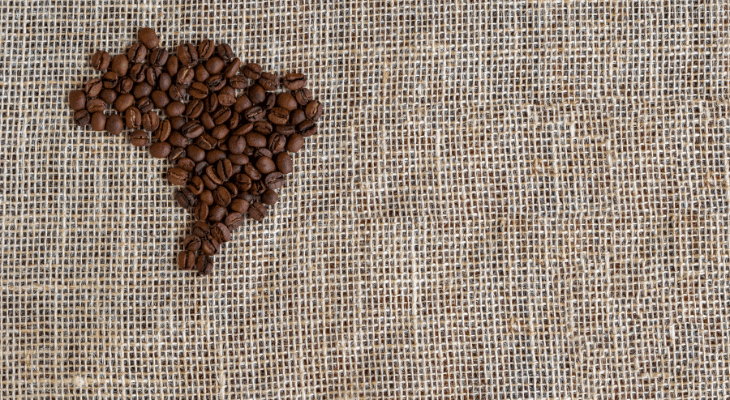
51) The largest coffee-producing country in the world is Brazil, followed by Vietnam and Colombia
Brazil is the largest coffee-producing country in the world, accounting for over one-third of global coffee production. The country has a long history of coffee cultivation, and its coffee industry is known for producing high-quality beans. Vietnam is the second largest coffee producer in the world, with the majority of its coffee production consisting of Robusta beans. Colombia is the third largest coffee producer, known for its Arabica coffee beans, which are prized for their rich flavor and aroma.
Unique and Expensive Coffee
52) The world’s most expensive coffee shop is located in New York City and charges $18 for a cup of coffee
If you’re looking for a luxurious cup of coffee, head to the city that never sleeps. New York City is home to the world’s most expensive cup of coffee, which can cost up to $18 per cup! The coffee shop, located in the Park Avenue area, offers a wide variety of gourmet coffee blends, including rare and exotic varieties.
53) The world’s most expensive coffee blend is called Black Ivory, and is made from beans that have been eaten and excreted by elephants
Black Ivory coffee is the world’s most expensive coffee blend, with a price tag of over $500 per pound. The coffee is made from beans that have been eaten and excreted by elephants, and the beans are carefully cleaned and processed to remove any impurities. The elephants’ digestive enzymes break down the coffee cherries and remove some of the bitterness, resulting in a unique flavor profile. The production process for Black Ivory is labor-intensive and time-consuming, which helps to explain its high cost.
54) The world’s most expensive coffee is called Kopi Luwak, and is made from beans that have been eaten and excreted by civet cats
Kopi Luwak coffee, also known as civet coffee, is the world’s most expensive coffee, with a price tag of up to $600 per pound. The coffee is made from beans that have been eaten and excreted by civet cats. The fermentation process that occurs during digestion changes the beans’ flavor and gives them a unique taste. However, the production of Kopi Luwak has come under criticism from animal welfare groups, who argue that the animals are often kept in inhumane conditions and force-fed coffee cherries.
Health Benefits of Coffee
55) Coffee can help improve cognitive function and alertness
Coffee is known for its ability to improve cognitive function and alertness. Caffeine, the primary active ingredient in coffee, works by blocking the neurotransmitter adenosine in the brain, which can help improve mood, reaction time, and overall mental performance.
56) Coffee has been linked to a reduced risk of Alzheimer’s disease and dementia
As we age, our risk of developing cognitive decline and dementia increases. However, research has suggested that coffee consumption may help reduce the risk of these conditions. According to research, coffee has been linked to a reduced risk of Alzheimer’s disease and dementia. The study suggests that higher coffee intake might be linked to a slower rate of cognitive decline and a slower accumulation of amyloid deposits in the brain. [1] These findings provide evidence that moderate coffee consumption may have a protective effect against cognitive decline.
57) Coffee can help improve mood and reduce feelings of depression and anxiety
There’s nothing like a warm cup of coffee to start the day on the right foot. But beyond the sensory pleasure of drinking coffee, research has shown that caffeine can have a positive effect on mood and mental health. Studies have found that caffeine can help reduce feelings of depression and anxiety and improve mood. Caffeine stimulates the production of dopamine, a neurotransmitter associated with pleasure and reward, which can have a positive impact on mood. However, it’s important to note that excessive coffee consumption can also lead to anxiety and nervousness. [2,3]
58) Coffee has been linked to a reduced risk of depression in women
Research has shown that coffee consumption may be linked to a reduced risk of depression, particularly in women. A study led by Harvard School of Public Health (HSPH) researchers found that among women, drinking coffee may reduce the risk of depression. The risk of depression was found to be 20% lower among women who drank four or more cups of caffeinated coffee than those who drank little or none. [4]
59) Coffee can help improve physical performance by increasing adrenaline levels
In addition to its mental benefits, coffee can also help improve physical performance. Caffeine has been shown to increase adrenaline levels in the body, which can help improve physical endurance and performance during exercise. Studies have also suggested that caffeine can help reduce muscle pain and fatigue, making it easier to exercise for longer periods.
60) Coffee can help improve physical endurance by increasing fat burning during exercise
Coffee can help improve physical endurance by increasing fat burning during exercise. Caffeine has been found to stimulate the nervous system and increase the rate of fat breakdown in the body, which can help improve endurance and delay the onset of muscle fatigue. Additionally, coffee can help improve metabolic rate and aid in weight loss, which can further improve physical endurance. [5]
61) The caffeine in coffee can help improve athletic performance and reduce muscle soreness
Coffee can be an effective ergogenic aid, which means it can improve physical performance. The caffeine in coffee can increase alertness and decrease fatigue, which can help athletes perform better during training and competition. Furthermore, caffeine has been shown to reduce muscle soreness and increase muscle contractile force, allowing athletes to recover more quickly between workouts. [6] It’s recommended to consume caffeine in moderation, and to consult a healthcare professional before starting any supplementation.
62) Coffee has been linked to a reduced risk of Parkinson’s disease and type 2 diabetes
Observational studies have found that coffee consumption is linked to a reduced risk of Parkinson’s disease and type 2 diabetes. The bioactive compounds found in coffee, including chlorogenic acids and caffeine, are believed to be responsible for these potential health benefits. [7]
63) Coffee has been shown to reduce the risk of stroke and heart disease
There is increasing evidence that drinking coffee may help reduce the risk of heart disease and stroke, two of the leading causes of death worldwide. A recent study showed that coffee consumption can reduce the risk of these conditions. In fact, drinking up to three cups of coffee per day has been associated with a protective effect on the heart. For those who have not been diagnosed with heart disease, drinking 0.5 to 3 cups of coffee daily has been linked to a decreased risk of death from heart disease, stroke, and premature death compared to non-coffee drinkers. [8] These findings suggest that moderate coffee consumption may help protect against cardiovascular disease.
64) Coffee can help improve liver function and reduce the risk of liver disease
Coffee has been found to have numerous health benefits, including improving liver function and reducing the risk of liver disease. Studies have shown that regular coffee consumption can help lower the risk of liver cirrhosis, liver cancer, and non-alcoholic fatty liver disease. The compounds in coffee are thought to have protective effects on the liver by reducing inflammation and increasing antioxidant levels. [9]
65) Coffee can help reduce the risk of certain types of cancer, including liver and colorectal cancer
Studies have suggested that drinking coffee may help reduce the risk of certain types of cancer, including liver and colorectal cancer. The exact mechanisms behind this association are not yet fully understood, but it is thought that coffee’s antioxidants and anti-inflammatory properties may play a role. [10,11] However, it is important to note that more research is needed in this area.
66) Coffee has been shown to have anti-inflammatory properties and may help reduce the risk of chronic diseases
Chronic inflammation is a key contributor to the development of many diseases, including heart disease, diabetes, and cancer. Coffee has been shown to have anti-inflammatory properties, which may help reduce the risk of these diseases. Studies have also suggested that regular coffee consumption may help reduce the risk of chronic diseases like Parkinson’s disease and Alzheimer’s disease. [12] However, it is important to note that excessive coffee consumption can have negative effects on health, and moderation is key.
More Interesting Coffee Facts
67) Coffee is often used as a natural fertilizer for plants and crops
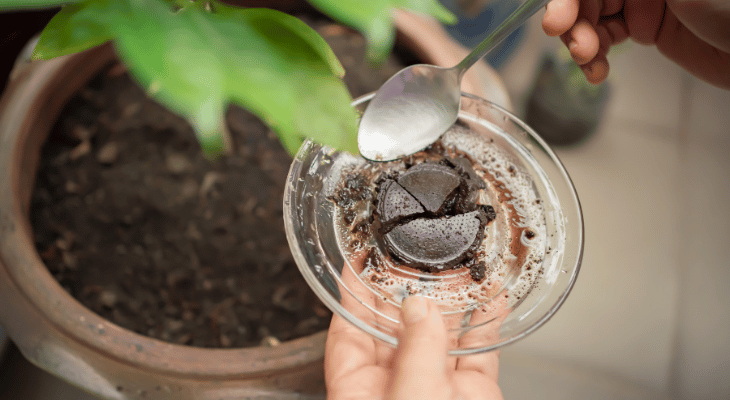
Coffee grounds are rich in nutrients such as nitrogen, phosphorus, and potassium, which are essential for plant growth. As a result, coffee is often used as a natural fertilizer for plants and crops, helping to improve soil quality and promote healthy growth. Additionally, coffee can also help repel pests such as slugs and snails, making it a natural and eco-friendly option for gardening.
68) The world’s largest coffee cup holds 26,939.22 liters of coffee
Did you know that the world’s largest cup of coffee was made in Guanajuato, Mexico on December 10, 2022? The cup was created by Tonic World Center S.A. de C.V. and contained a whopping 26,939.22 liters (5,925.8 UK gal; 7,116.59 US gal) of coffee! The cup measured 3.5 meters in diameter and was 3.05 meters tall. That’s a lot of coffee!
69) The world’s most expensive coffee table book is called The Centenary Opus and costs over $250,000 and was made by Bentley
The Centenary Opus is a luxurious book that pays homage to the 100th anniversary of the British automaker, Bentley. The book weighs a whopping 66 pounds and is over 800 pages long, with each copy being signed by at least seven of the brand’s current and former executives. It features breathtaking photos of the company’s cars, stories of the brand’s history, and insights into Bentley’s designs and craftsmanship. It is also covered in diamonds! It’s no wonder that this opulent book has a price tag of over $250,000, making it the world’s most expensive coffee table book.
70) Bob Thomson (USA) holds the record for the largest collection of mugs, with 6,352 different mugs he’s been collecting since 1995
Bob Thomson of California, USA, is a passionate mug collector and holds the Guinness World Record for the largest collection of mugs. His collection consists of 6,352 unique mugs, which he has been collecting since 1995. Thomson’s collection includes mugs from all over the world, ranging from antique and vintage designs to novelty and contemporary styles.
71) The world’s largest iced coffee, created in Yangju, South Korea, in 2014, had a volume of 14,228.1 liters
In 2014, Yangju City in South Korea set a new world record for the largest iced coffee. The coffee was made in a custom-built cup that had a volume of 14,228.1 liters, which is equivalent to around 3,755 gallons. The giant iced coffee was made with a total of 3,700 kilograms of coffee beans, 2,500 kilograms of ice, and 22,000 liters of milk
72) The world’s largest coffee plantation is located in Brazil and covers over 200,000 acres
Brazil is the largest producer of coffee in the world, and the country’s coffee plantations cover vast areas of land. The largest of these plantations is the Minas Gerais region, which is located in the southeast of Brazil and covers over 200,000 acres. This region produces high-quality Arabica coffee that is favored by coffee connoisseurs around the world. The plantation is home to over 10,000 coffee farms, which employ thousands of people and contribute significantly to Brazil’s economy.
73) The world’s largest coffee festival is the London Coffee Festival, which takes place annually and attracts over 30,000 visitors
The London Coffee Festival is a four-day event that celebrates everything related to coffee, from artisan roasters and baristas to coffee equipment manufacturers and suppliers. The festival features over 250 exhibitors and attracts more than 30,000 visitors each year, making it the largest coffee festival in the world. Attendees can enjoy coffee tastings, workshops, talks, and demonstrations, as well as live music, food, and entertainment. Thi festival is a must-attend event for coffee lovers from all over the world.
74) Espresso gets its name from the Italian word for “pressed out”
The term espresso comes from the Italian word “esprimere,” which means “to press out.” This is because the coffee is brewed by pressing hot water through tightly packed coffee grounds, producing a concentrated shot of coffee that’s rich in flavor and aroma.
75) Coffee is sometimes used as a natural dye for fabrics and paper
Coffee’s rich color and natural pigments have made it a popular choice for natural dyes. It can be used to create warm and earthy shades of brown and tan, and it is often used to dye fabrics and papers. In addition to its color, coffee can also be used to create interesting patterns and textures when used in combination with other natural dyes. This is a great way to give old clothing or paper products a new life, while also reducing waste.
76) Coffee is often used as a flavoring in desserts and baked goods
Coffee has a unique flavor profile that can enhance the taste of various desserts and baked goods. Its robust and bitter taste pairs well with chocolate, making it a popular addition to chocolate cakes, brownies, and truffles. Coffee is also often used to flavor ice cream, tiramisu, and cheesecake, giving them a rich and distinct flavor. Additionally, coffee’s acidity and bitterness can help balance out the sweetness of certain desserts, resulting in a more complex and satisfying taste.
77) A 16-ounce cup of brewed coffee contains 140-280 milligrams of caffeine
The amount of caffeine in a cup of coffee can vary depending on the type of coffee bean, the brewing method, and the serving size. A 16-ounce cup of brewed coffee typically contains anywhere from 140 to 280 milligrams of caffeine, depending on these factors. It is also important to note that some commercially sold coffee brands may contain higher amounts of caffeine compared to home-brewed coffee.
78) The coffee plant is actually a member of the same family as gardenias and jasmine
While it may be surprising, the coffee plant belongs to the same family as gardenias and jasmine. The coffee plant, known as Coffea, is a genus of flowering plants in the Rubiaceae family. This family includes many other plants that are grown for ornamental purposes, such as gardenias, as well as medicinal plants like the cinchona tree, which is used to produce quinine.
79) The caffeine in coffee is a natural pesticide that protects the coffee plant from insects
Caffeine is a natural substance found in many plants, including coffee. In the coffee plant, caffeine serves as a natural pesticide that deters insects from feeding on the plant’s leaves and cherries. Insects that consume caffeine can experience negative effects such as tremors, paralysis, and death. This natural defense mechanism allows the coffee plant to protect itself without the use of synthetic pesticides.
80) The average lifespan of a coffee tree is around 20-25 years
Coffee trees, like many other plants, have a limited lifespan. On average, a coffee tree can produce viable coffee beans for around 20-25 years before it begins to decline in productivity. After this time, the tree may be replaced with a younger, more productive plant. However, some coffee trees can live for up to 50 years with proper care and maintenance.